
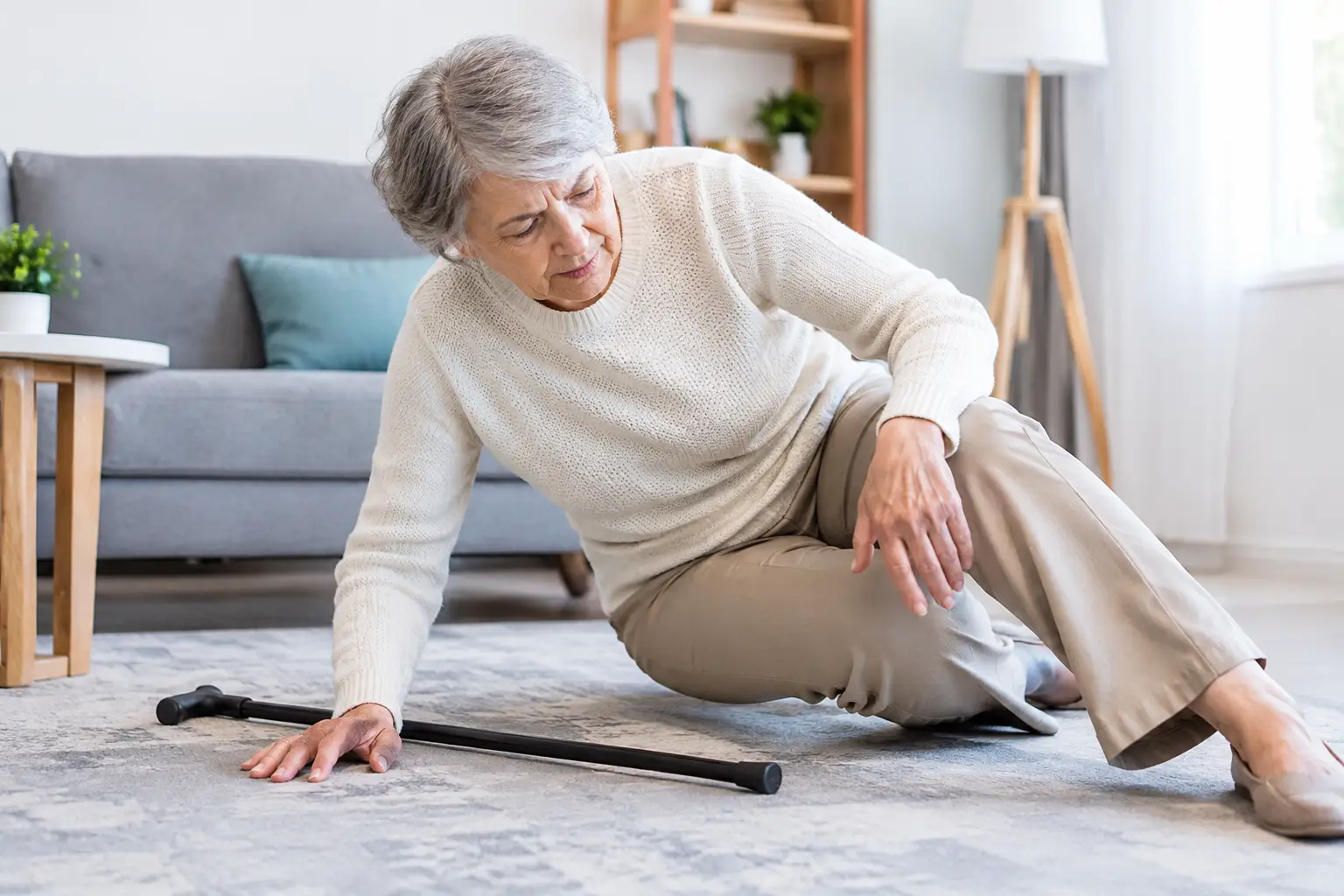
A fall can change a family’s routine in one afternoon. A parent who once moved confidently through the house may become fearful of walking alone, while an adult child begins worrying about every trip to the bathroom or missed phone call. Learning how to assess fall risks gives families a practical way to spot concerns early and make thoughtful decisions that protect comfort, dignity, and independence.
Falls are not always caused by one dramatic health event. More often, they result from several smaller changes happening at once: reduced strength, a new medication, poor lighting, an uneven rug, or memory loss that makes it harder to recognize hazards. A careful assessment looks at the whole person and the environment around them.
Start With Changes in Everyday Movement
One of the clearest signs of fall risk is a change in how an older adult moves through familiar spaces. Watch for slower walking, shuffling feet, holding onto furniture, difficulty rising from a chair, or avoiding stairs that were once manageable. These changes may happen gradually, which is why families sometimes overlook them until a fall or near-fall occurs.
Pay attention to transitions. Standing after sitting, getting out of bed, stepping into the shower, and turning around in a narrow hallway all require balance and coordination. If your loved one pauses to steady themselves, appears dizzy, or needs more help during these moments, their risk may be increasing.
A person does not need to have fallen before to need support. Near-falls, unexplained bruises, and comments such as “I almost went down” deserve the same attention. They are valuable warnings, not simply part of aging.
Look at Health Factors That Can Affect Balance
A fall-risk assessment should include a conversation with the older adult’s primary care provider, especially after a recent fall, illness, or hospital stay. Health conditions that affect muscles, nerves, vision, blood pressure, or cognition can all change a person’s stability.
Medication is another common factor. Some prescriptions may cause sleepiness, dizziness, confusion, low blood pressure, or frequent trips to the bathroom. This does not mean medication should be stopped without medical guidance. Instead, ask a physician or pharmacist to review all prescriptions, over-the-counter medicines, and supplements together. A medication review is especially useful when someone has started a new drug or seems less steady than usual.
Vision and hearing matter, too. An older adult who cannot clearly see a step, a pet underfoot, or a change in flooring may be more likely to trip. Hearing loss can also affect awareness of the surrounding environment. Routine eye and hearing care can be a simple but meaningful part of prevention.
For a loved one living with dementia, fall risks may look different. They may forget to use a walker, become disoriented at night, rush toward a bathroom, or misjudge where a chair or doorway is located. In these situations, supervision and a predictable daily routine may be just as important as physical strength.
Assess the Home Room by Room
Many fall hazards are hiding in plain sight. A room-by-room review can reveal changes that make daily life safer without making the home feel institutional.
Start with the paths your loved one uses most often: the bedroom, bathroom, kitchen, living room, and entrance. Look for loose rugs, electrical cords, clutter, pet toys, unstable furniture, and poor lighting. Floors should be clear, dry, and easy to walk across. If a throw rug slides underfoot, removing it is usually safer than trying to work around it.
The bathroom deserves extra attention because wet surfaces and tight spaces create frequent hazards. Grab bars near the toilet and inside the shower, a stable shower chair, non-slip surfaces, and a handheld showerhead can make bathing more secure. Towel bars are not designed to support body weight, so they should never be used in place of properly installed grab bars.
In the bedroom, make sure a lamp, phone, glasses, mobility device, and clear route to the bathroom are within easy reach. Nightlights can help, particularly for a person who wakes often or becomes confused after dark. Shoes should fit well and provide traction. Loose slippers, socks on smooth floors, and shoes with worn soles can turn an ordinary walk across the room into a dangerous moment.
Ask the Right Questions After a Fall or Near-Fall
After a fall, families often focus on whether there is an injury. That is necessary, but the circumstances of the fall also matter. Understanding what happened can help prevent the next one.
Ask where the fall occurred, what time of day it happened, what your loved one was doing, and whether they felt dizzy, weak, confused, or rushed. Consider whether they had eaten, taken medication, used the bathroom, or gotten up from bed shortly before the incident. Patterns may emerge quickly.
Seek urgent medical attention after a fall if there is head impact, loss of consciousness, severe pain, suspected fracture, new confusion, weakness on one side, trouble speaking, or inability to get up. Older adults can have serious injuries even when they initially say they feel fine, especially if they take blood thinners.
Consider Strength, Support, and Supervision
Physical activity can help preserve strength and balance, but the right approach depends on the person’s health and abilities. A physician or physical therapist may recommend exercises, gait training, or an appropriate walker or cane. A mobility device only helps when it is fitted correctly and used consistently.
Families should also assess how much help is needed throughout the day. Can your loved one safely bathe, dress, transfer from bed to chair, prepare meals, and manage nighttime bathroom trips? Are they alone for long periods? Have they begun skipping activities because movement feels unsafe?
These questions are not about taking independence away. They are about matching support to real needs before an injury forces a rushed decision. For some seniors, a few home modifications and regular family check-ins may be enough. For others, increasing memory concerns, repeated falls, or caregiver exhaustion may signal that a more supportive setting would provide greater comfort and peace of mind.
When Assisted Living May Be the Safer Choice
Assisted living can offer a reassuring middle ground for older adults who need daily support but still value choice, social connection, and a comfortable routine. Staff can assist with personal care, medication routines, mobility, meals, and housekeeping, while the community environment is designed to reduce common hazards.
For residents with dementia, dedicated memory care may provide added security through structured routines, attentive supervision, and spaces that are easier to navigate. This level of support can reduce the risk created by wandering, nighttime confusion, forgotten mobility devices, and changes in judgment.
When comparing options, ask direct questions about fall-prevention practices. Find out how staff respond after a fall, how care plans are updated when needs change, whether help is available overnight, and how residents are supported during bathing, transfers, and walking. Quality care should feel personal, respectful, and practical, not restrictive.
Cost is understandably part of the conversation. Families should ask about available payment pathways, including Medicaid eligibility and veterans benefits, rather than assuming quality support is out of reach. The right community should help you understand options clearly and make a decision based on both care needs and value.
Make Fall Prevention an Ongoing Conversation
Fall risk is not a one-time checklist. It can change after a new diagnosis, medication adjustment, illness, hospitalization, vision change, or decline in memory. Revisit the assessment regularly and encourage your loved one to share when something no longer feels safe.
The most caring next step is often a calm, honest conversation: “What parts of the day feel harder than they used to?” Listening without judgment can reveal needs that a quick visit might miss. Whether support is added at home or through a caring senior community, the goal remains the same: helping your loved one live with greater safety, dignity, and comfort. If your family is weighing next steps, a tour can also make the level of daily support easier to picture.