
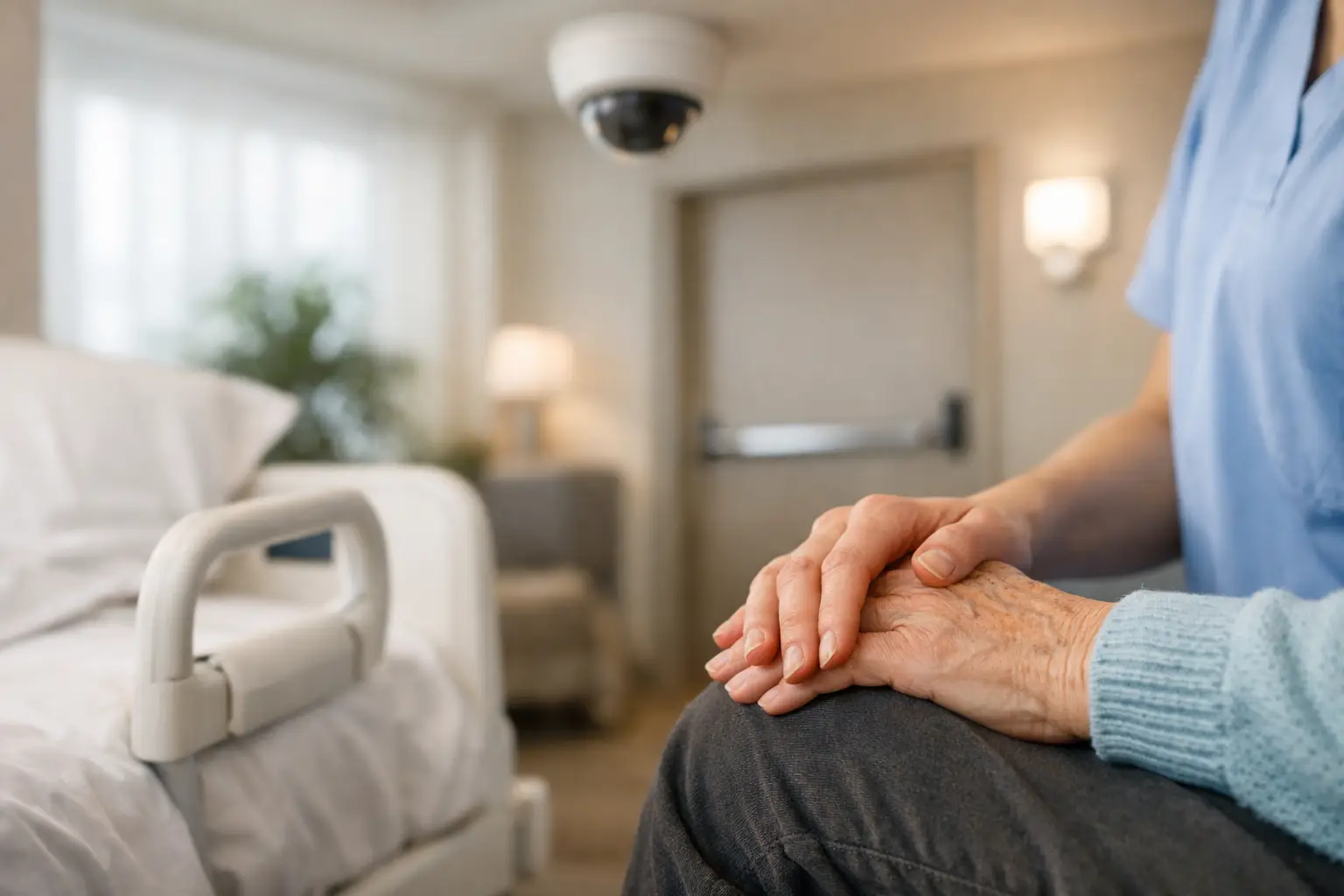
A loved one may still recognize familiar faces, enjoy a favorite meal, and hold a meaningful conversation, yet become disoriented by an unlocked door or an unfamiliar hallway. That is why the top memory care safety features are not simply about preventing emergencies. They create a calmer, more predictable setting where people living with Alzheimer’s disease or another form of dementia can move through their day with greater comfort and dignity.
For families in Central Florida, choosing memory care often follows a period of worry: wandering at night, falls, missed medications, kitchen hazards, or the growing strain of providing supervision at home. A quality community should offer more than a locked entrance. It should bring together secure surroundings, trained caregivers, thoughtful routines, and personal attention.
Top Memory Care Safety Features That Matter Most
The strongest safety plan is layered. One feature may help prevent a problem, while another helps the care team respond quickly if something still occurs. During a tour, ask how each safety practice works in everyday life, not only what equipment is installed.
Secure access without an institutional feel
Residents with memory loss may try to leave because they are looking for home, work, a parent, or a familiar place from the past. Secured exterior doors and controlled entry points help protect residents from wandering into traffic, unfamiliar neighborhoods, or Florida heat.
Still, security should not make a person feel confined. Look for a community with a welcoming layout, clear paths for walking, and secure outdoor areas where residents can enjoy fresh air and sunshine with appropriate supervision. A homelike environment can reduce anxiety while giving families confidence that their loved one is protected.
Ask who can enter the memory care area, how visitors are welcomed, and what happens if a resident approaches an exit. The best approach is calm redirection, not embarrassment or confrontation.
Thoughtful floor plans and clear wayfinding
Dementia can affect depth perception, balance, and the ability to make sense of visual information. A well-designed memory care setting reduces confusion through good lighting, uncluttered walkways, contrasting colors where helpful, and easy-to-recognize common spaces.
Private and semi-private rooms each have benefits. A private room may offer quiet and familiarity for someone who becomes overstimulated. A semi-private room can provide companionship and may be a more affordable option for families managing long-term care costs. What matters is whether the room and surrounding area are arranged to support the resident’s comfort, mobility, and personal routine.
Look closely at bathrooms, too. Grab bars, accessible fixtures, non-slip flooring, and adequate space for caregiver assistance can make a major difference. Falls often happen during ordinary moments such as getting up at night or rushing to the restroom, so these details deserve real attention.
Around-the-clock supervision and responsive staffing
Technology is useful, but attentive people remain at the heart of memory care safety. Residents need caregivers who notice changes in behavior, mobility, appetite, mood, and sleep patterns. A person who usually joins breakfast but remains in bed may need support. Someone who suddenly becomes restless may be in pain, hungry, tired, or overwhelmed.
Ask how staffing is handled during evenings, overnight hours, weekends, and shift changes. There is no single staffing number that tells the whole story because residents’ needs vary. A better question is whether staff members are consistently present, trained for dementia care, and able to respond without making residents wait unnecessarily.
Caregivers should understand approaches such as redirection, reassurance, and validation. If a resident insists they need to pick up children from school, correcting them sharply is rarely helpful. A trained caregiver can acknowledge the feeling behind the statement and gently guide the person toward another reassuring activity.
Fall prevention built into daily care
Falls are a concern for many older adults, particularly when memory loss occurs alongside weakness, medication changes, vision problems, or poor balance. Safe communities do not rely on one fall-prevention tool. They watch for individual risks and adapt care accordingly.
This may include regular assistance with walking, reminders to use mobility devices, footwear checks, timely bathroom support, and observation after a health change. Well-lit hallways and clutter-free rooms matter, but so does knowing a resident’s usual habits. A caregiver who understands that a resident gets up early every morning can be nearby before that person begins walking alone.
Families should also ask how the community communicates after a fall. You deserve a clear explanation of what happened, what care was provided, and what changes will be considered to reduce future risk.
Medication management with careful oversight
Missed doses, duplicate doses, and medication interactions can have serious consequences. Memory care should include organized medication management by qualified staff, with documentation and communication with the resident’s healthcare providers as needed.
Medication safety is more than handing someone a pill at the right time. Caregivers should watch for side effects such as dizziness, unusual sleepiness, appetite changes, or increased confusion. These changes can affect safety quickly, especially for a resident already at risk for falls or wandering.
Ask who manages medications, how refills are coordinated, and how families are informed when there is a significant change. Straightforward communication can prevent confusion and help families remain active partners in care.
Emergency readiness for Florida realities
Central Florida families should ask specifically about emergency procedures. A memory care community needs plans for medical emergencies, severe weather, power outages, and evacuation if necessary. Those plans must account for residents who may be frightened by alarms, unable to follow complex instructions, or unable to communicate their needs clearly.
During a tour, ask where residents shelter during severe weather, how the community maintains essential services during an outage, and how medications, food, water, and staffing are managed. A prepared team should answer these questions clearly and without hesitation.
Medical response is equally important. Staff should know when to provide immediate first aid, when to contact a nurse or physician, and when emergency services are needed. Families should understand who will call them and how quickly they can expect an update.
Nourishment, hydration, and dining supervision
Eating and drinking can become more difficult as dementia progresses. A resident may forget they have eaten, lose interest in meals, struggle with utensils, or have trouble recognizing thirst. Dehydration and poor nutrition can contribute to weakness, confusion, and avoidable health concerns.
Safe memory care includes regular meals, snacks, hydration opportunities, and appropriate observation during dining. Some residents need gentle reminders; others need hands-on assistance or modified food textures based on their care plan. A pleasant dining environment can also make meals feel less stressful and more familiar.
Ask whether the care team tracks meaningful changes in appetite or weight and how dietary needs are handled. Food is part of safety, but it is also part of comfort and daily enjoyment.
Safety Also Includes Emotional Well-Being
A person can be physically secure and still feel distressed if their day lacks connection, choice, or purpose. Structured activities, familiar music, gentle movement, conversation, and opportunities for success can reduce agitation and give each day a reassuring rhythm.
The right activity program is not about keeping residents busy every minute. It should reflect individual abilities and preferences. Someone who loved gardening may enjoy sorting seeds or spending time in a secure courtyard. A former homemaker may find comfort in folding towels. These moments support identity, which is a vital part of dignified care.
Questions to Ask During a Memory Care Tour
A tour gives families the chance to notice the feeling of a community as well as its features. Come prepared to ask practical questions:
- How are residents protected from wandering while still able to move about comfortably?
- What dementia-specific training do caregivers receive?
- How does the team respond to falls, changes in behavior, or medical concerns?
- What does overnight supervision look like?
- How are medications, meals, and hydration managed?
- What are the plans for hurricanes, severe weather, and power outages?
- How will our family be kept informed about changes in care?
Pay attention to how staff members speak with residents. Warm eye contact, patience, and respectful language often reveal as much as a written safety policy. Notice whether common areas feel calm and whether residents appear engaged rather than simply parked in front of a television.
Finding Safety, Dignity, and Value Together
Families should never feel that a limited budget requires them to accept limited care. Safety needs are real, and so are financial concerns. When comparing options, ask early about monthly costs, levels of care, Medicaid eligibility, and available veterans benefits. Clear answers can help your family make a sustainable decision rather than one based on uncertainty.
At Gold Choice Senior Communities, families can explore memory care in a comfortable setting while receiving practical guidance about care needs and payment options. The next helpful step is often a personal tour: walk the halls, meet the caregivers, ask the questions on your mind, and picture whether your loved one could feel safe, known, and at home there.