
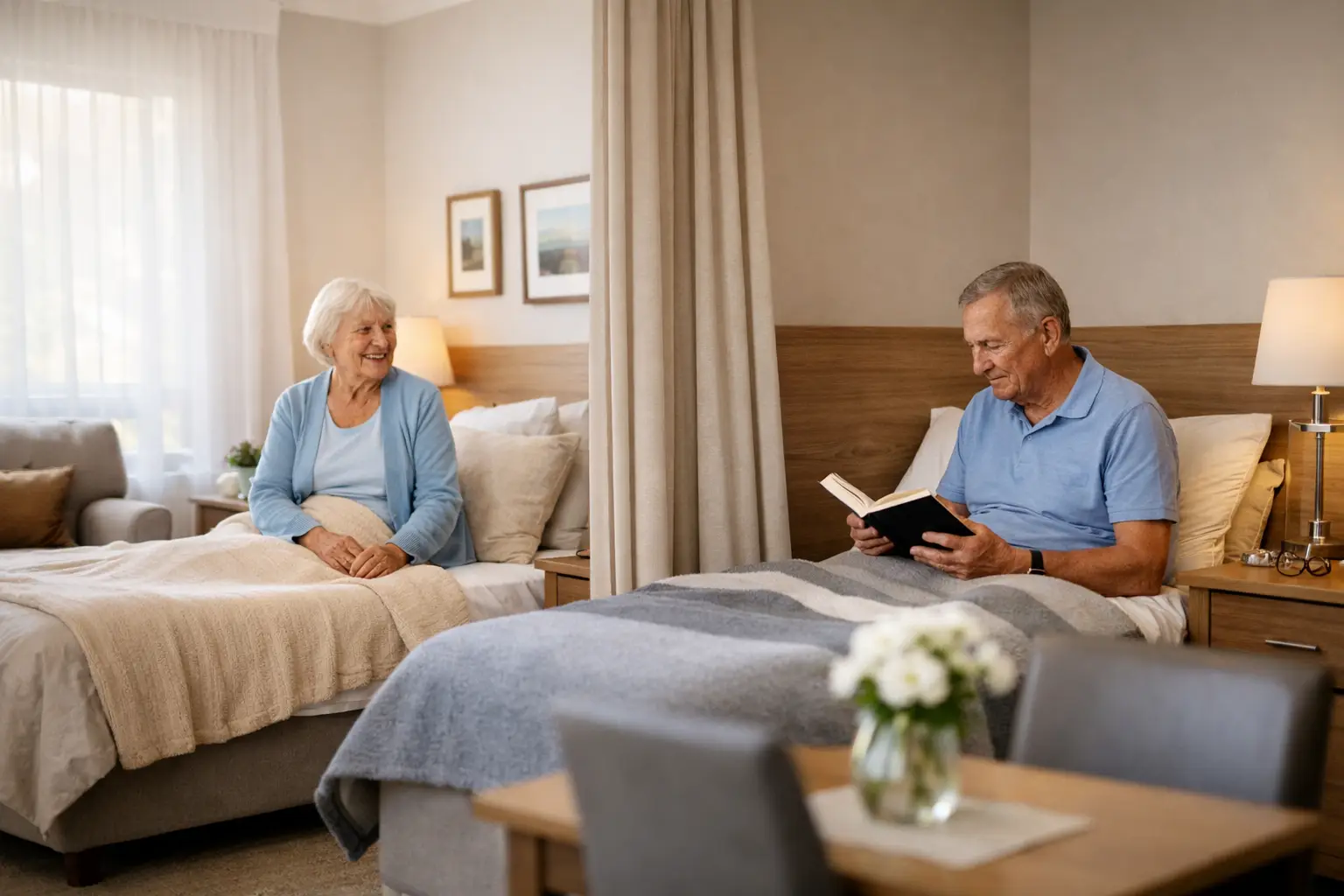
When families first ask about semi private senior living rooms, the question is usually not just about square footage or layout. It is about whether a loved one will feel safe, respected, comfortable, and cared for while still keeping monthly costs within reach. That is why this room option deserves a closer look.
For many older adults, a semi-private room can offer a practical middle ground. It combines the support of a senior living community with a shared residential setting that may feel less isolating and more affordable than a private room. For families comparing assisted living or memory care, that balance can matter a great deal.
What semi private senior living rooms usually mean
A semi-private room is generally a bedroom or living space shared by two residents, with each person having their own bed area and some personal storage. Depending on the community, the room may also include a shared bathroom or access to a nearby bathroom. The exact setup can vary, so it is always worth asking what is included and how the space is arranged.
The key point is that semi-private does not mean overcrowded or impersonal. In a well-run community, the goal is still dignity, comfort, and value. Residents should have enough room for daily routines, personal belongings, and a sense of home. Staff should also be intentional about roommate matching and ongoing support so the arrangement works well in real life, not just on paper.
Why families choose semi private senior living rooms
Cost is often the first reason families consider this option, and that is understandable. Senior living expenses add up quickly, especially when a loved one needs help with bathing, dressing, medication management, meals, and supervision. A semi-private room can make community-based care more accessible without giving up the services that matter most.
But affordability is not the only reason. Some residents genuinely prefer companionship. A shared room can reduce loneliness, create routine, and provide a familiar presence nearby, especially for seniors who feel anxious sleeping alone or who do better with social connection throughout the day.
This can be especially relevant in memory care. For some residents living with dementia, a roommate may provide comfort and a calming sense of activity in the room. For others, more privacy may be the better fit. That is where thoughtful evaluation becomes important.
The benefits of a shared room setting
A semi-private room can support emotional well-being in ways families do not always expect at first. Many seniors experience a major adjustment when moving from home into assisted living or memory care. Sharing a room can soften that transition by making the environment feel more active and less lonely.
There is also a practical benefit for families watching a budget. Monthly savings from a shared room may help preserve resources for longer-term care needs, personal items, transportation, or medical expenses not covered elsewhere. When families are also exploring Medicaid or veterans benefits, a lower room cost can make planning more manageable.
Another benefit is visibility. In some cases, residents in shared rooms may be more naturally engaged with daily rhythms because another person is present. That does not replace staff support, but it can contribute to a stronger sense of connection and routine.
The trade-offs to think through
A semi-private room is not automatically the right choice for every senior. Some people strongly value quiet, personal control over their environment, and the ability to retreat into a private space. Others have sleep habits, medical needs, or behavioral changes that make sharing difficult.
Roommate compatibility matters. One resident may like the television on, while another prefers silence. One may wake early, while the other rests late. In memory care, differences in confusion, restlessness, or nighttime wandering can also affect how comfortable a shared space feels.
That is why families should ask how the community handles roommate matching, room changes, and concerns that come up after move-in. Good communities understand that comfort is not one-size-fits-all. They monitor how residents are adjusting and make changes when needed.
Semi-private rooms in assisted living vs memory care
The term can mean slightly different things depending on the level of care. In assisted living, semi-private rooms are often chosen by seniors who need help with daily activities but still enjoy conversation, shared routines, and a more social residential setting. The focus is often on support with independence.
In memory care, shared rooms are considered a bit differently. Safety, supervision, and emotional response carry more weight. A roommate may be a positive presence for one resident, while another may become overstimulated or distressed. Families should ask how staff assess room placement in memory care and what signs they watch for if the arrangement is no longer a good fit.
The best choice depends less on the label and more on the person. Care needs, personality, health status, and comfort with others all matter.
What to look for when touring semi private senior living rooms
When you visit a community, try to look beyond whether the room simply appears neat. Focus on whether it feels livable, respectful, and calm. Notice how much personal space each resident has and whether belongings are organized in a way that feels manageable.
Pay attention to the atmosphere. Does the room feel bright and clean? Is there enough room for safe movement? Do residents seem to have space for meaningful personal items like photos, blankets, or a favorite chair? These details help a room feel like home rather than temporary housing.
It is also wise to ask practical questions. Find out whether roommates are matched by care needs, personality, gender, or schedule when possible. Ask what happens if one resident’s condition changes. Ask how staff protect privacy during dressing, personal care, and family visits.
If your loved one is hesitant about sharing, that does not automatically mean the option should be ruled out. Sometimes the concern is really about fear of change, not the room itself. A tour can help families picture how the space works and whether the environment feels warm and comfortable.
Affordability and peace of mind can go together
For many Central Florida families, senior living decisions are shaped by both care needs and financial reality. That is not a small detail. It is often the deciding factor. A room option that offers value while still preserving dignity can bring real relief during a stressful time.
This is one reason many families ask about benefit programs early in the process. If a community accepts Medicaid or helps families explore veterans benefits, that guidance can make a major difference. It allows families to focus not only on cost, but on finding the right care setting.
At Gold Choice Senior Communities, families often look for exactly that combination – comfort, dependable support, and affordability that feels realistic over time. A semi-private room can be part of that solution when it aligns with a resident’s preferences and care needs.
How to decide if a semi-private room is the right fit
Start with your loved one’s daily habits and temperament. Do they enjoy companionship, or do they become stressed when they cannot control their surroundings? Are they likely to benefit from having someone nearby, or do they need more quiet and separation to rest well?
Then look at care level. If assistance is becoming more frequent, or memory loss is creating safety concerns, the right community matters more than whether the room is shared or private. Families sometimes focus so heavily on room type that they lose sight of the larger picture. Consistent care, kind staff, good supervision, and a comfortable setting usually matter far more.
It also helps to think long term. The lowest monthly rate is not always the best overall value if the room arrangement causes distress or leads to a move later. At the same time, a semi-private option that works well can make quality care accessible sooner, which may prevent a crisis at home.
The best next step is often simple. Tour the room, ask direct questions, and imagine your loved one living there day to day – waking up, getting dressed, eating meals, resting, and receiving care. When a space supports dignity, comfort, and value, families usually feel it right away.