
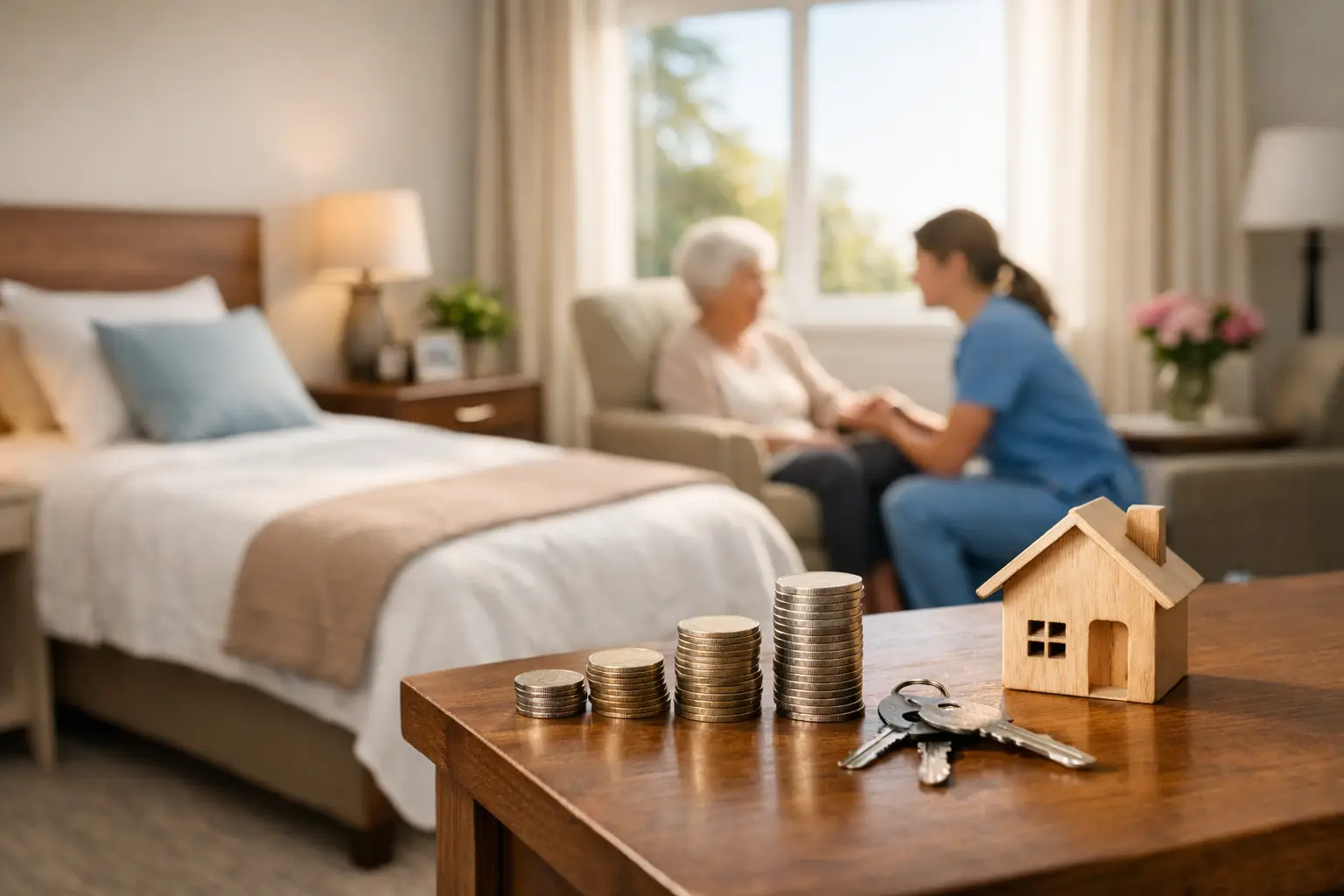
When a loved one needs more support, one of the first questions families ask is about private room assisted living cost. That question usually comes with others close behind – what is included, why do prices vary so much, and is a private room worth the added expense? If you are comparing options in Central Florida, the answer is less about finding the cheapest rate and more about finding the right balance of dignity, comfort, care, and value.
A private room can offer something many older adults deeply want during a major life transition: personal space. It gives residents a place to rest quietly, keep familiar belongings nearby, and maintain a stronger sense of routine and independence. For families, that often brings peace of mind. But cost matters, and it helps to understand what you are really paying for.
What affects private room assisted living cost?
The monthly rate for a private room in assisted living is shaped by several factors, and room size is only one of them. In most communities, pricing starts with a base rate that covers housing and standard services. From there, total cost can rise depending on the level of help a resident needs with daily activities such as bathing, dressing, medication management, mobility, and toileting.
Location also plays a major role. Rates in one part of Florida may look very different from rates in another, even when the apartment styles seem similar. Communities in desirable areas, or those close to hospitals, shopping, and family neighborhoods, may charge more. Newer buildings and larger private suites can also increase the monthly price.
Staffing is another big factor that families do not always see at first glance. A community with attentive caregivers, structured activities, dining services, housekeeping, and stronger oversight may cost more than a setting that offers only the basics. In practice, that difference can be worth it. Lower pricing can look attractive upfront, but if services are limited or added on separately, the true monthly total may not stay low for long.
What is usually included in the monthly price?
This is where families need to slow down and ask good questions. A private room rate may include rent, meals, utilities, housekeeping, laundry, social activities, and some level of personal care. In other communities, the private room is just the starting number, and almost everything else is billed in tiers or service packages.
That is why comparing one brochure to another can be misleading. One community may appear more affordable, but if medication reminders, bathing help, escorts to meals, and incontinence care cost extra, the monthly bill may end up higher than expected.
A clearer way to compare options is to ask for the all-in monthly estimate based on your loved one’s current needs. If care needs are likely to increase soon, ask what happens to pricing then as well. Families often feel more confident when they can see both the starting cost and the likely near-term cost.
Why private rooms cost more than shared rooms
A private room typically costs more because the resident is paying for exclusive use of the space. That includes not only the bedroom itself, but also the privacy, quiet, and autonomy that come with it. For some seniors, that added expense is absolutely worthwhile.
Private rooms can be especially helpful for residents who are light sleepers, easily overstimulated, or coping with health issues that make rest more important. They can also make visits with family feel more comfortable and personal. In memory care or assisted living settings, private space may reduce stress for residents who become anxious around too much activity.
At the same time, a shared room is not automatically a lesser choice. Some residents enjoy companionship and settle in better with a roommate. Others simply prefer the lower cost. The right fit depends on personality, care needs, and budget.
A realistic price range families may see
Private room assisted living cost can vary widely, but many families will see monthly rates ranging from the mid-thousands upward, depending on care level and location. In Florida, and particularly in sought-after areas of Central Florida, private accommodations with daily support often cost more than families first expect.
That can feel overwhelming at first. But it helps to remember that assisted living combines housing, meals, staffing, emergency response, household support, and daily care in one setting. When families compare that to the combined cost of maintaining a home, paying utilities, buying groceries, arranging transportation, and hiring outside help, the value becomes easier to understand.
Still, the cost question is real. Most families are not shopping for luxury. They are trying to find a safe, respectful place that offers quality care without putting long-term financial stability at risk.
How to compare private room assisted living cost fairly
The best comparison is not room versus room. It is total support versus total support.
A private room in one community may seem more expensive than another, but if it includes meals, housekeeping, medication help, activities, and higher staff involvement, the value may actually be stronger. Families should also consider cleanliness, resident engagement, team responsiveness, and whether the atmosphere feels warm and respectful.
During a tour, ask how often care plans are reviewed, what happens if assistance needs increase, and whether the staff takes time to know each resident personally. Price always matters, but so does the daily experience your loved one will have.
If possible, look at private room assisted living cost through the lens of quality of life. A room is where a resident sleeps, rests, and keeps cherished belongings. But the community around that room matters just as much – meals shared with others, friendly staff, structured activities, and help that protects dignity rather than taking it away.
Ways families pay for assisted living
Many people assume assisted living must be paid only from private funds, but that is not always the case. Depending on the resident’s circumstances, some families may be able to use long-term care insurance, veterans benefits, personal savings, bridge funding, or Medicaid-related support.
This is one of the most important conversations to have early. A community that helps families understand benefit options can save time, reduce stress, and open doors that may not have seemed possible at first.
For veterans and surviving spouses, benefits may help offset monthly care costs. For qualifying seniors, Medicaid programs may also play a role, depending on eligibility and the type of services provided. These pathways can make quality care more accessible for families who are trying to protect both their loved one’s well-being and the household budget.
In Central Florida, many families are looking for exactly that combination: compassionate support and practical affordability. Communities such as Gold Choice Senior Communities speak directly to this need by focusing on dignity, comfort, and value while helping families explore Medicaid and veterans benefit options.
When a private room is worth the extra cost
There is no single right answer here. For one resident, a shared room may feel social and comforting. For another, privacy may make the transition into assisted living much smoother.
A private room is often worth stronger consideration when a loved one is adjusting to loss, living with confusion, having trouble sleeping, or needing a calm setting to feel secure. It can also be the better choice when family members plan to visit often and want more personal space to spend meaningful time together.
Budget still matters, of course. The goal is not to overextend financially for a feature that may not improve daily life. The goal is to choose the setting that supports the resident’s well-being in a sustainable way.
Questions to ask on a tour
When you visit a community, ask for the exact monthly cost of the private room, what that rate includes, and what services may be added later. Ask whether care is charged in levels, whether rates increase annually, and what support is available if finances become tighter over time.
You should also ask practical questions that numbers alone cannot answer. Is the room quiet and comfortable? Does the staff greet residents warmly? Are meals appealing? Do residents seem engaged and respected? A community can look good on paper and still not feel right in person.
The clearest next step is often a tour with honest conversation. Seeing the space, meeting the team, and reviewing real pricing can turn a stressful search into a more confident decision. The right private room is not just a line item in a budget. It is a place where your loved one can feel safe, cared for, and at home.